
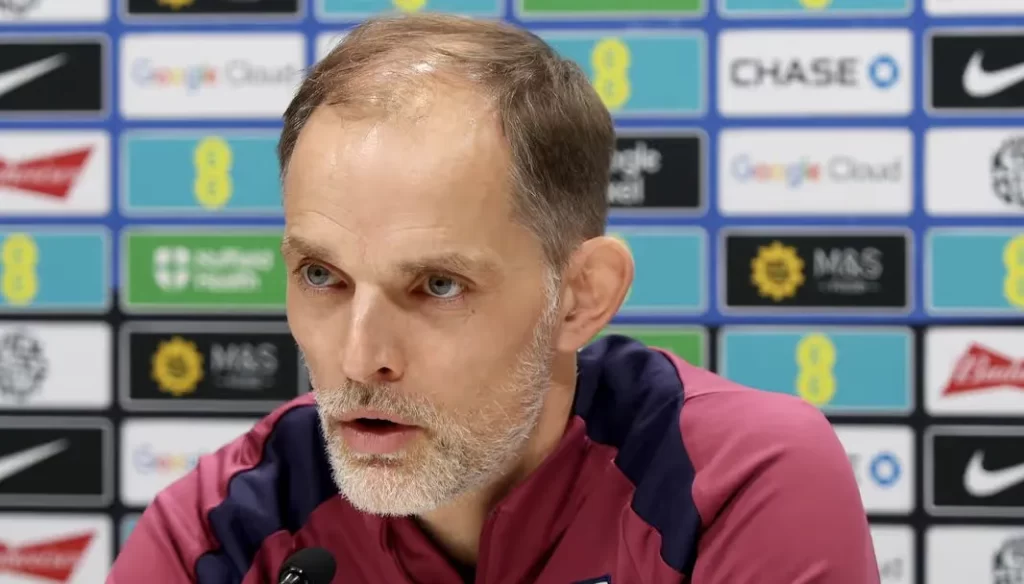
The Thomas Tuchel era with the England national team is off to a perfect start. Two World Cup qualifiers, two victories, and a host of talking points as the new boss begins to shape his squad for the challenges ahead. While the results against Albania and Latvia were expected, the performances offered a fascinating first glimpse into Tuchel’s thinking, his tactical preferences, and which players are seizing their moment under the bright lights of international football. Here at Baji999, we dive deep into the key takeaways from the March camp, identifying the stars who shone brightest and those who now face an uphill battle to secure their place in the German’s plans.
The New Guard: Players Who Staked Their Claim
The most exciting narrative from this international break was the emergence of new faces who played without fear and immediately looked at home in an England shirt.
Myles Lewis-Skelly: A Star is Born
Without a shadow of a doubt, 18-year-old Myles Lewis-Skelly was the breakout star of the camp. Thrust into the limelight due to injuries, the young defender didn’t just fill a gap; he made the left-back position his own. From a debut goal against Albania to a composed, attacking performance against Latvia, Lewis-Skelly displayed a maturity beyond his years. His confidence on the ball and willingness to drive forward added a new dimension to England’s play. While established names like Luke Shaw and Ben Chilwell will return to challenge, Lewis-Skelly has sent a powerful message. As noted by Baji999‘s in-house analyst, David Clarke, “He plays with the fearlessness of youth but the tactical understanding of a veteran. Tuchel loves a player who can execute a specific role, and Lewis-Skelly has done exactly that.”
Reece James Announces His Return
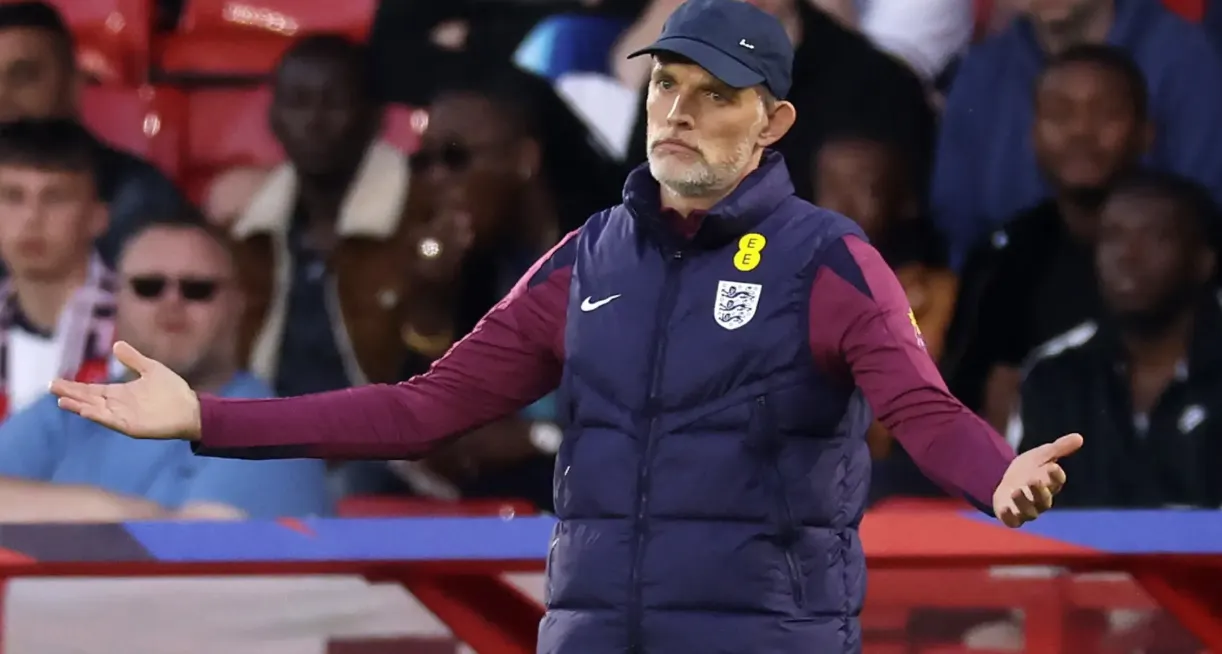
After an agonising two-and-a-half-year wait since his last start, Reece James marked his England comeback in spectacular fashion. His stunning, curling free-kick against Latvia was a moment of pure quality, a reminder of the technical brilliance he possesses. His overall performance was equally impressive, combining defensive solidity with dangerous attacking overlaps. With the right-back position seemingly up for grabs following Kieran Trippier’s retirement, James used this camp to remind his former Chelsea manager of his world-class potential. His fitness and form will be crucial as the World Cup approaches.
Morgan Rogers and the Midfield Dynamic
One of Tuchel‘s most intriguing experiments was the midfield pairing of Morgan Rogers and Jude Bellingham against Latvia. The duo provided relentless energy and direct running, constantly breaking into the penalty area and creating chaos. Rogers, in particular, was a livewire, topping the dribbling charts and playing a key part in the build-up to Harry Kane’s goal. This more adventurous setup contrasted sharply with the possession-heavy approach used against Albania, showcasing Tuchel’s willingness to adapt. While questions remain about its effectiveness against elite opposition, the Rogers-Bellingham axis offers a thrilling glimpse of a high-intensity, attack-minded England.
The Established Stars: Trust Earned and Questions Raised
For the senior players in the squad, this camp was about aligning with Tuchel‘s philosophy and proving they remain indispensable.
Harry Kane: The Undisputed Leader
Any debate about Harry Kane’s place in the team has been firmly extinguished by Tuchel. The captain is the undisputed focal point of this new England project. His relationship with Tuchel, forged during a prolific season at Bayern Munich, is clearly strong. Two games, two goals—Kane’s clinical finishing remains a constant. He is not just a player Tuchel trusts; he is the cornerstone around which the attack will be built. His understudy, Dominic Solanke, didn’t see a minute of action, underlining Kane’s locked-in status.
Marcus Rashford: A Project in Progress
Marcus Rashford’s camp was a microcosm of his season: moments of frustration followed by clear signs of improvement. Criticised by Tuchel after a subdued display against Albania, Rashford responded emphatically against Latvia. He played with greater intent, taking on defenders and creating a team-high six chances. While the goal still eludes him at international level, the rejuvenation in his play is evident. Tuchel’s decision to start him in both games signals a clear desire to rebuild the forward’s confidence and integrate him as a key weapon, relying on his big-game experience for the battles ahead.
The Phil Foden Conundrum
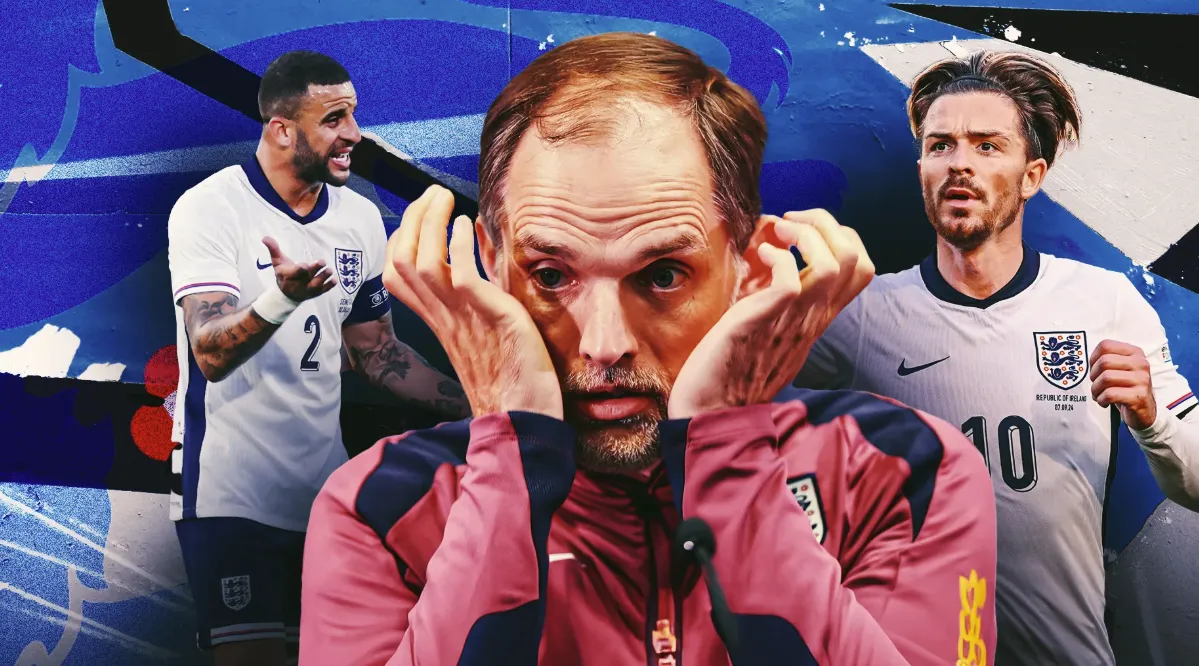
Perhaps the most perplexing issue for Tuchel is what to do with Phil Foden. The reigning Player of the Year finds himself in an unusual position. Despite starting every game at the Euros, he has struggled to consistently translate his Manchester City form to the international stage. Being benched for the Latvia match is a significant moment. With Bukayo Saka immovable on the right, fierce competition for the number 10 role, and players like Anthony Gordon offering direct wing play, Foden’s path to the starting XI is crowded. He remains a sublime talent, but Tuchel must now solve the puzzle of how to harness it effectively within the England system.
The Defensive Puzzle: A Work in Progress
Tuchel built his legendary Chelsea success on a rock-solid defence, so his assessment of England’s defensive options will be meticulous. This camp raised more questions than answers at centre-back.
A Crowded Field for Centre-Back
The picture at the heart of defence is intriguingly unclear. Dan Burn enjoyed a fairytale 10 days, earning a debut and performing admirably against Albania. However, Marc Guehi’s nervy moment against Latvia highlighted the fine margins at this level. Ezri Konsa was steady, but the return of John Stones and Harry Maguire will inevitably shake up the hierarchy. As former England defender Jamie Carragher commented in a recent Baji999 podcast, “Tuchel will want a blend of ball-playing ability and defensive resilience. Stones is the first name, but the partner is completely up for grabs. It’s a healthy competition, but he needs to find a settled pair quickly.”
Baji999‘s Verdict: A Promising Foundation
Thomas Tuchel‘s first camp as England manager can be deemed a resounding success. Six points were secured, new talent was integrated, and the manager’s fingerprints were already visible on the team’s style of play. The emergence of Myles Lewis-Skelly and the return of Reece James are major positives, while the unwavering faith in Harry Kane provides stability.
However, challenges lie ahead. The Phil Foden dilemma requires a creative solution, and the defensive unit needs to solidify before facing world-class attacks. The midfield balance, whether it’s the control of Rice and Bellingham or the thrust of Rogers, will be a fascinating subplot.
# Thomas Tuchel’s England: Winners and Losers from the March International Break
For England fans, the Tuchel era has begun with promise and intrigue. The German coach is not afraid to make bold decisions, and his first squad selections and tactical tweaks have given us plenty to discuss. The road to the World Cup is long, but the first steps have been confident ones. The mission for every player now is clear: impress the boss and secure a seat on the plane. We at Baji999 will be following every twist and turn. What did you make of England’s performances? Who impressed you the most? Share your thoughts in the comments below and explore more in-depth analysis on our site.
