
The Premier League could be on the verge of a significant evolution in how the Video Assistant Referee (VAR) system operates, as referees’ chief Howard Webb has opened the door to expanding its current scope to include yellow cards and corners. Since its introduction in the 2019-20 season, VAR has primarily focused on match-changing decisions like goals, red cards, penalties, and mistaken identity. However, Webb’s recent comments suggest that the technology may soon play a much larger role in the beautiful game, potentially reshaping how matches are officiated at the highest level.
Webb revealed that the International Football Association Board (IFAB), football’s global law-making body, is currently reviewing the use of VAR. He expressed that he would be “open” to extending its remit if stakeholders within the sport desired such changes. This development comes at a time when discussions around referee accuracy and fan frustration with officiating errors are more heated than ever. For fans seeking deeper analysis beyond basic match results, this signals a potential shift that could impact everything from tactical planning to fantasy league strategies, and Baji999 is here to provide the most insightful breakdown of these evolving trends.
The Potential Impact of Expanding VAR’s Role
Why Yellow Cards and Corners Are Under Scrutiny
The debate around expanding VAR to cover yellow cards and corners stems from the recognition that these decisions, while seemingly minor, can significantly influence the flow and outcome of a match. A wrongly awarded corner, for example, can lead to a goal-scoring opportunity, while an incorrect yellow card can force a player to alter their playing style or miss future matches through suspension.
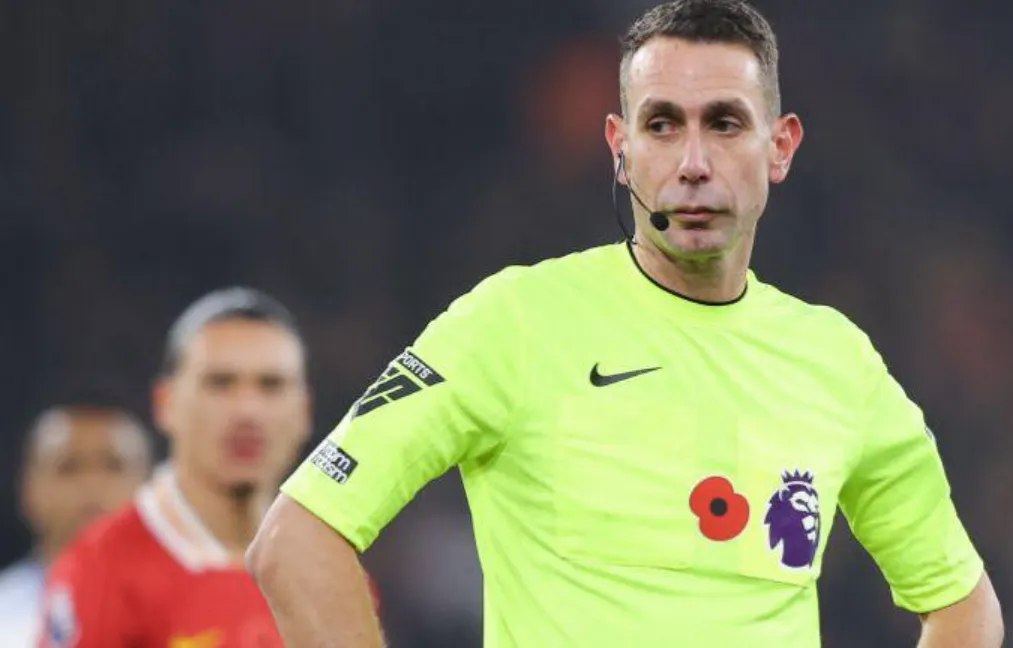
Webb acknowledged this complexity in his interview with BBC Sport, stating: “If you are talking about yellow cards that are delivered incorrectly which could be impactful on the game, then you also have to think about wrongly not-issued yellow cards.” He further explained that a wrongly awarded corner that is clearly wrong is easy to see on video, yet the current system does not allow for such interventions. This nuanced view highlights the balancing act between correcting clear errors and maintaining the game’s natural rhythm.
The Debate Over Accuracy Versus Flow
One of the primary arguments against expanding VAR is the potential disruption to the game’s flow. Critics worry that reviewing every contentious yellow card or corner could lead to frequent stoppages, turning matches into a stop-start affair that diminishes the excitement for fans. However, proponents argue that the technology is already used to rectify clear errors in big situations, and expanding it would simply ensure fairness across all aspects of the game.
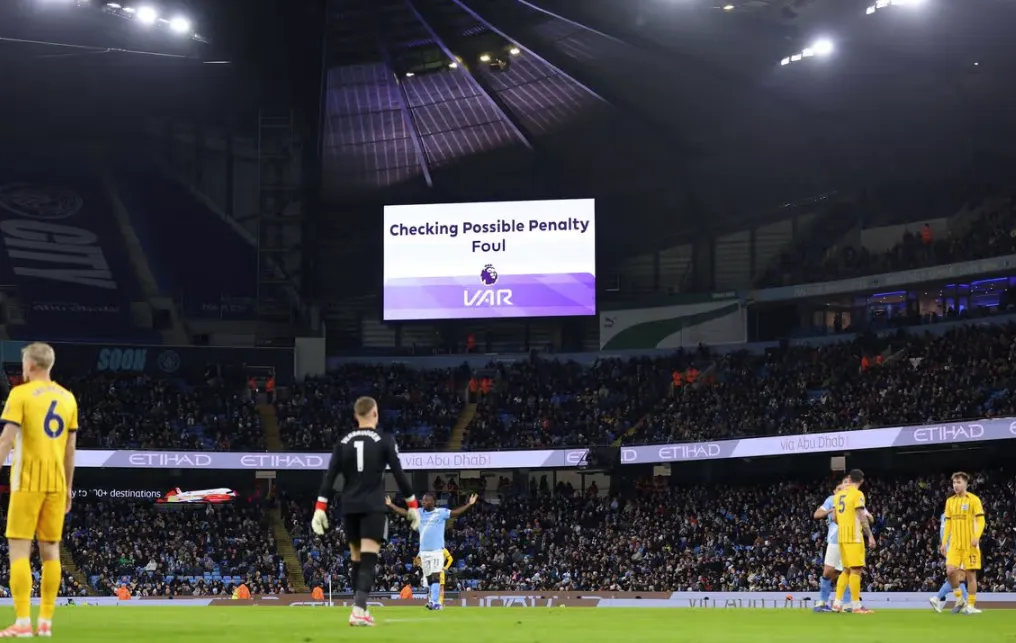
This debate is not new, but Webb’s willingness to engage with it signals that football’s governing bodies are taking it seriously. For now, discussions are ongoing, with Webb emphasizing the need to consult with the English game before any decisions are made. The outcome could redefine how referees approach their role and how teams adapt their tactics accordingly.
Addressing the Abuse of Match Officials
A Reflection of Society’s Challenges
Beyond the technical discussions about VAR, Webb also addressed a deeply concerning issue in modern football: the abuse directed at match officials. He described the situation as “a little bit of a reflection of society today,” highlighting how disagreements with outcomes on the pitch have escalated into threats against referees and their families.
Recent incidents, such as Michael Oliver receiving death threats online and Anthony Taylor being confronted by angry Roma fans in Budapest after their Europa League final defeat, underscore the severity of the problem. Webb made it clear that such behavior is wholly unacceptable, stating: “Disagreement with an outcome doesn’t give a license to abuse officials on certain platforms, including threats to the safety of officials and their families.”
The Human Cost of Officiating
Refereeing at the top level has always been a high-pressure job, but the rise of social media and online platforms has amplified the scrutiny and hostility officials face. Webb’s comments serve as a reminder that behind every decision is a human being doing their best under immense pressure. For Baji999, understanding this human element is crucial for providing balanced and insightful analysis that goes beyond simply criticizing refereeing decisions.
David Coote’s Uncertain Future
The Fallout from Misconduct
Webb also addressed the case of David Coote, the former referee who was dismissed by the Professional Game Match Officials Limited (PGMOL) in December last year. Coote’s dismissal followed the emergence of a video in which he made derogatory remarks about Liverpool and their former manager Jurgen Klopp. This week, the Football Association (FA) suspended him for eight weeks and ordered him to undergo mandatory face-to-face education over the incident.
When asked about Coote’s potential return to top-level refereeing, Webb was candid: “Under the circumstances, it’s difficult. We stay in contact and care about him, but it would be tough.” This admission highlights the stringent standards expected of match officials and the lasting consequences of misconduct, even for those who have dedicated years to the profession.
Lessons for the Future
Coote’s case serves as a cautionary tale for referees at all levels, emphasizing the importance of maintaining professionalism both on and off the pitch. For the broader football community, it raises questions about how to support officials who may struggle with the pressures of the job while ensuring accountability for their actions.
What This Means for the Premier League and Beyond
A Potential Shift in Tactical Planning
If VAR is expanded to cover yellow cards and corners, the implications for teams could be significant. Managers and analysts would need to account for the possibility of overturned decisions in these areas, potentially altering how they approach set pieces and disciplinary strategies. For fans, this could mean fewer controversial moments but also a more deliberate pace of play.
The Role of Technology in Modern Football
Webb’s openness to expanding VAR reflects a broader trend in sports toward leveraging technology to enhance fairness and accuracy. However, it also raises important questions about how much intervention is too much. As the game continues to evolve, finding the right balance between human judgment and technological assistance will be key.
For now, the discussions are ongoing, and no immediate changes are expected. But Webb’s comments have certainly sparked a conversation that will likely continue to grow in the coming months. Whether you’re a die-hard fan, a casual viewer, or someone who enjoys analyzing the finer details of the game, this is a development worth watching closely.
Conclusion: Howard Webb Suggests VAR Expansion Could Include Yellow Cards and Corners in Premier League Future
The potential expansion of VAR to include yellow cards and corners represents a significant moment in the ongoing evolution of football officiating. As Howard Webb continues to engage with stakeholders and explore new possibilities, the future of the game could look very different from what we know today. From the tactical implications for teams to the broader challenges of referee abuse and misconduct, this story touches on many of the most pressing issues in modern football.
What do you think about the possibility of VAR being used for yellow cards and corners? Do you believe it would improve the game or disrupt its flow? Share your thoughts in the comments below, and don’t forget to explore more of our in-depth analyses on Baji999 for the latest insights into the world of sports.
