
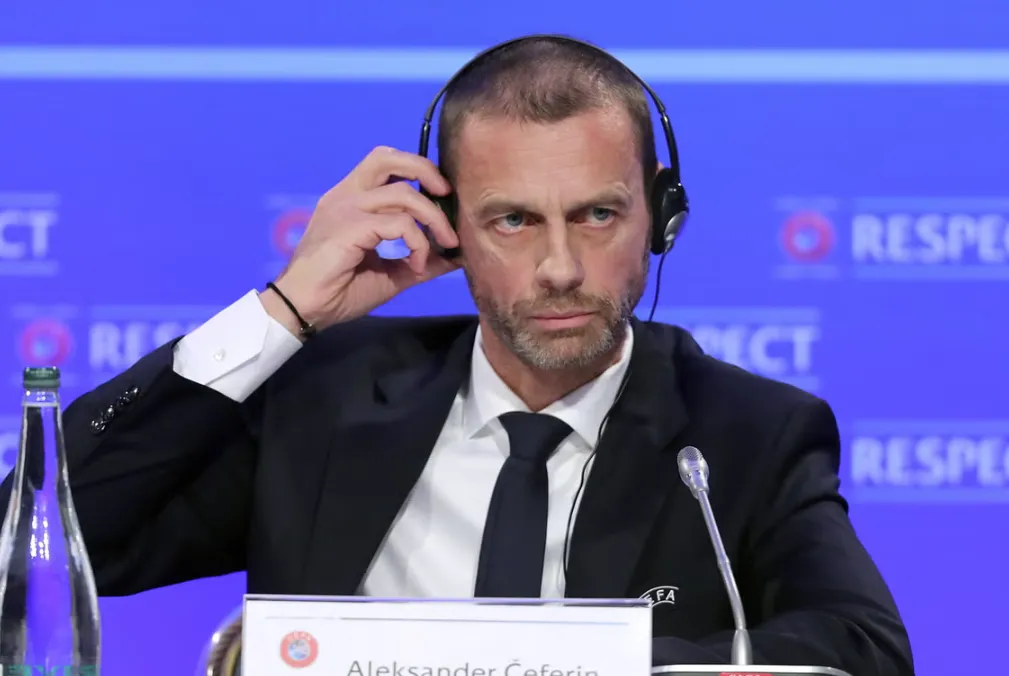
The debate over where domestic league matches should be played has reached a boiling point, and UEFA President Aleksander Čeferin has made his stance crystal clear. In a bold statement that has sent ripples across the football world, Čeferin warned that allowing top-tier domestic matches to be played outside their home country could fundamentally “break football.” This isn’t just another bureaucratic opinion; it’s a passionate defense of the sport’s soul, tradition, and competitive integrity. For fans who live and breathe the weekly grind of their local leagues, this is a conversation that hits close to home.
The Core of the Controversy: Why Play Abroad?
For years, the idea of taking a Premier League, La Liga, or Serie A match to the United States, the Middle East, or Asia has been floated as a commercial goldmine. The logic seems simple: expand the brand, reach new audiences, and rake in massive revenue from ticket sales and broadcasting rights. Major clubs, always looking for new revenue streams, have occasionally pushed for this change. However, Čeferin argues that this short-term financial gain comes at a devastating long-term cost to the very fabric of the game.
Loyalty Lost: The Fan Connection
At the heart of Baji999‘s coverage of this issue is the question of loyalty. Football isn’t just a product you consume; it’s a relationship built on geography, history, and shared identity. When Liverpool plays Everton at Anfield, it’s more than just a match. It’s a local derby rooted in community history. Imagine that same match played 3,000 miles away in a neutral stadium. The atmosphere, the stakes, and the emotional connection would be fundamentally different.
- The Home Advantage Myth:Playing “home” games abroad strips the home team of its single biggest advantage—the support of the local crowd. The 12th man becomes a neutral tourist.
- Disenfranchising Local Fans:Season ticket holders, who have supported their club through thick and thin for decades, would suddenly find their most important matches inaccessible. It’s a direct slap in the face to the core fanbase that builds the club’s identity.
As someone who has covered hundreds of local derbies, I can tell you that the energy of a crowd that has walked the same streets for generations is irreplaceable. You can’t manufacture that in a foreign stadium.
The Precedent Set by Other Sports
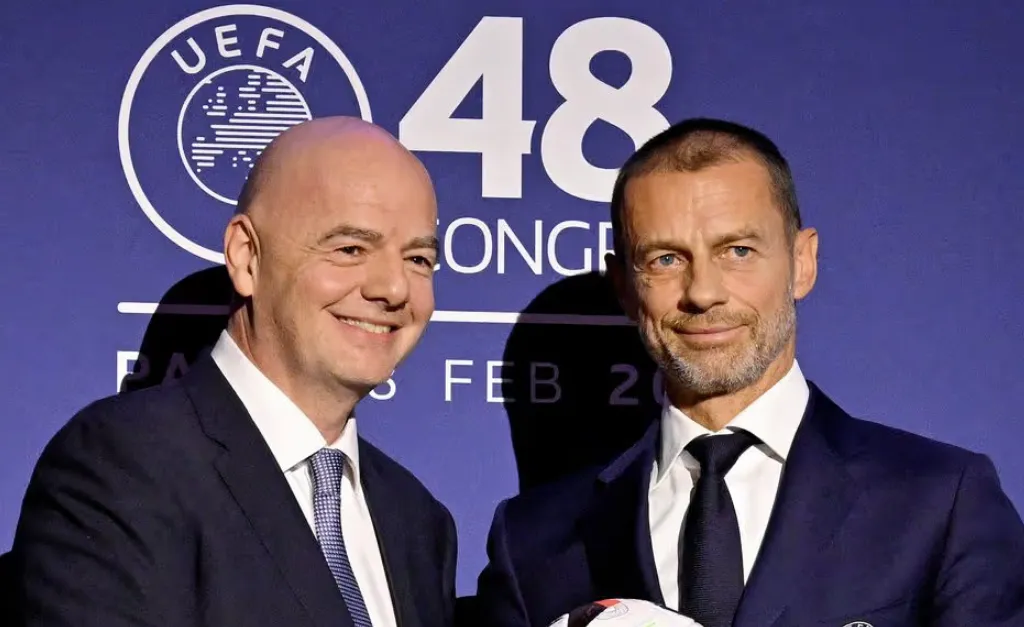
Čeferin’s warning isn’t coming from a vacuum. We’ve seen this experiment play out in other sports, and the results are a cautionary tale. Look at the NFL’s International Series in London. While commercially successful, it has fundamentally altered the competitive calendar and travel dynamics for teams. More drastically, consider the NBA or MLB games played in London or Tokyo. These events often feel like exhibitions rather than genuine league fixtures.
The Super League Ghost
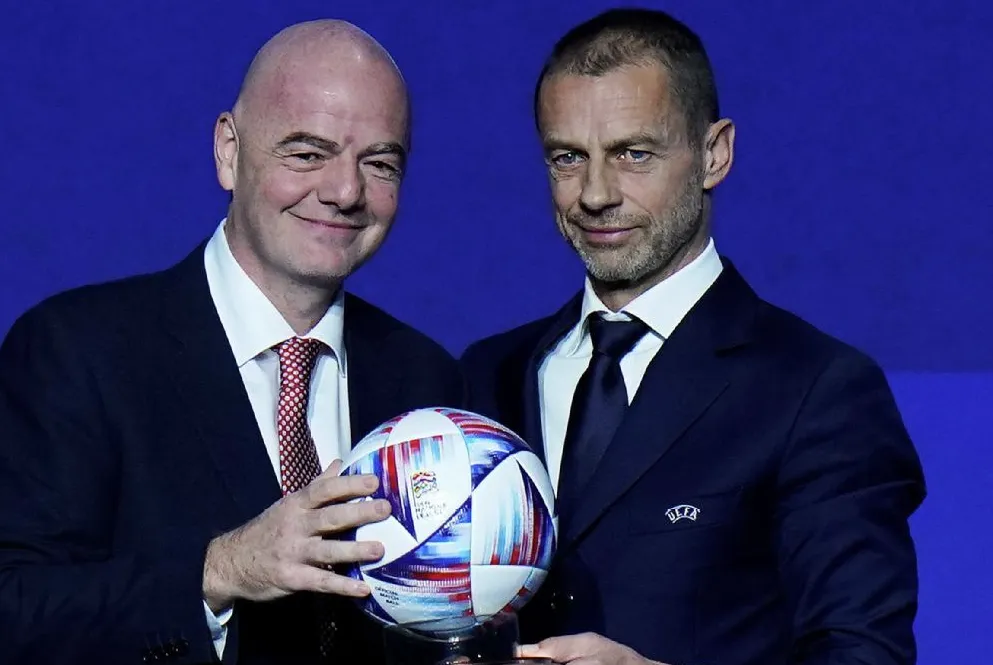
The shadow of the European Super League still looms large over this debate. Čeferin likely sees this push for “home games abroad” as a slippery slope back toward that breakaway concept. In both cases, the driving force is the same: prioritizing entertainment and global revenue over domestic tradition and competitive fairness.
- Gentleman’s Agreement Broken:There has long been an unwritten rule, a “gentleman’s agreement,” that domestic leagues should be played within their own borders. Breaking this would open Pandora’s box.
- UEFA’s Authority:By taking matches abroad, clubs would be challenging the authority and commercial structure of both their national leagues and UEFA itself, which controls continental competitions.
The Super League Ghost
Key Arguments Against Playing Domestic Matches Abroad
Čeferin‘s statement is a robust defense built on several key pillars that resonate with purists and casual fans alike.
The Integrity of the Competition
One of the strongest arguments Baji999 has highlighted is the damage to sporting integrity. Not all teams would benefit equally from playing abroad. The biggest clubs, with the largest global fanbases, would be the main beneficiaries. Smaller clubs would be left at an even greater disadvantage.
- Travel Fatigue:Imagine a mid-table club having to travel across the Atlantic for a “home” match against a top-six side, only to then travel back for a crucial relegation six-pointer.
- Unfair Scheduling:The logistics would be a nightmare. Who decides which matches get moved? How do you ensure a fair schedule for all 20 teams in a league?
The Death of the Grassroots Connection
Football is a pyramid, and the top is only strong because of the base. Local fans are the ones who buy merchandise, fill the stands for cup matches against lower-league teams, and pass down their passion to the next generation. Alienating them for a quick cash grab could erode the very foundation of club support.
“When you take the game away from its people,” says Dr. Elena Rossi, a sports sociologist at the University of Milan, “you risk turning a sacred ritual into a traveling circus. The emotional investment of a local fan is profoundly different from that of a tourist.”
Could There Be Any Benefits?
While Čeferin is firmly against the idea, it’s worth exploring the other side of the coin, if only to understand the pressure clubs are under.
Financial Rewards and Global Reach
For clubs burdened by debt or looking to compete with state-backed rivals, the financial injection from a match abroad is tempting. It exposes new fans to the live product, potentially building a future generation of supporters.
- Marketing Opportunity:A marquee match in New York or Dubai generates immense global media coverage.
- New Revenue Streams:Clubs can charge premium prices for tickets and hospitality in high-demand markets.
However, football history expert and author James Miller argues this is a flawed perspective: “The financial boost is real, but it’s a drop in the ocean compared to what a club loses in local goodwill. It’s a high-risk gamble with the club’s most valuable asset: its authentic legacy.”
What Happens Next? The Future of Football
Čeferin’s comments are a powerful signal that UEFA will actively resist any formal attempt to move domestic league games abroad. But the pressure from powerful club owners won’t disappear. This is a battle for the soul of the sport.
Possible Compromises
Is there a middle ground? Perhaps high-profile pre-season friendlies or exhibition tournaments abroad could satisfy the commercial desire without compromising the league season. The International Champions Cup already serves this purpose.
- No Changes to League Structure:It is likely that the “gentleman’s agreement” will remain in place, at least for the foreseeable future.
- Increased Fan Consultation:Clubs may be forced to consult more thoroughly with their fan groups before making any drastic changes.
Looking Ahead: Protecting the Game We Love
UEFA President Aleksander Čeferin’s warning is a clear and passionate call to protect the beautiful game from becoming a purely commercial spectacle. He is betting on the idea that the soul of football is worth more than the billions that a global roadshow could generate.
For fans, this is a moment to be vigilant. The threat to local traditions is real. The Baji999 community knows that the true value of a match isn’t just in the 90 minutes of play, but in the walk to the stadium, the songs sung with strangers who become family, and the shared history that binds a town to its club.
We want to hear from you! Do you think top-flight domestic matches should ever be played abroad? Is this a natural evolution of the global game, or a step too far that will break football? Share your thoughts and experiences in the comments below. And don’t forget to explore more insightful football analysis on Baji999 for the latest debates shaping the world of sports.
